The ADHD Tax: It's Costing You More Than Money
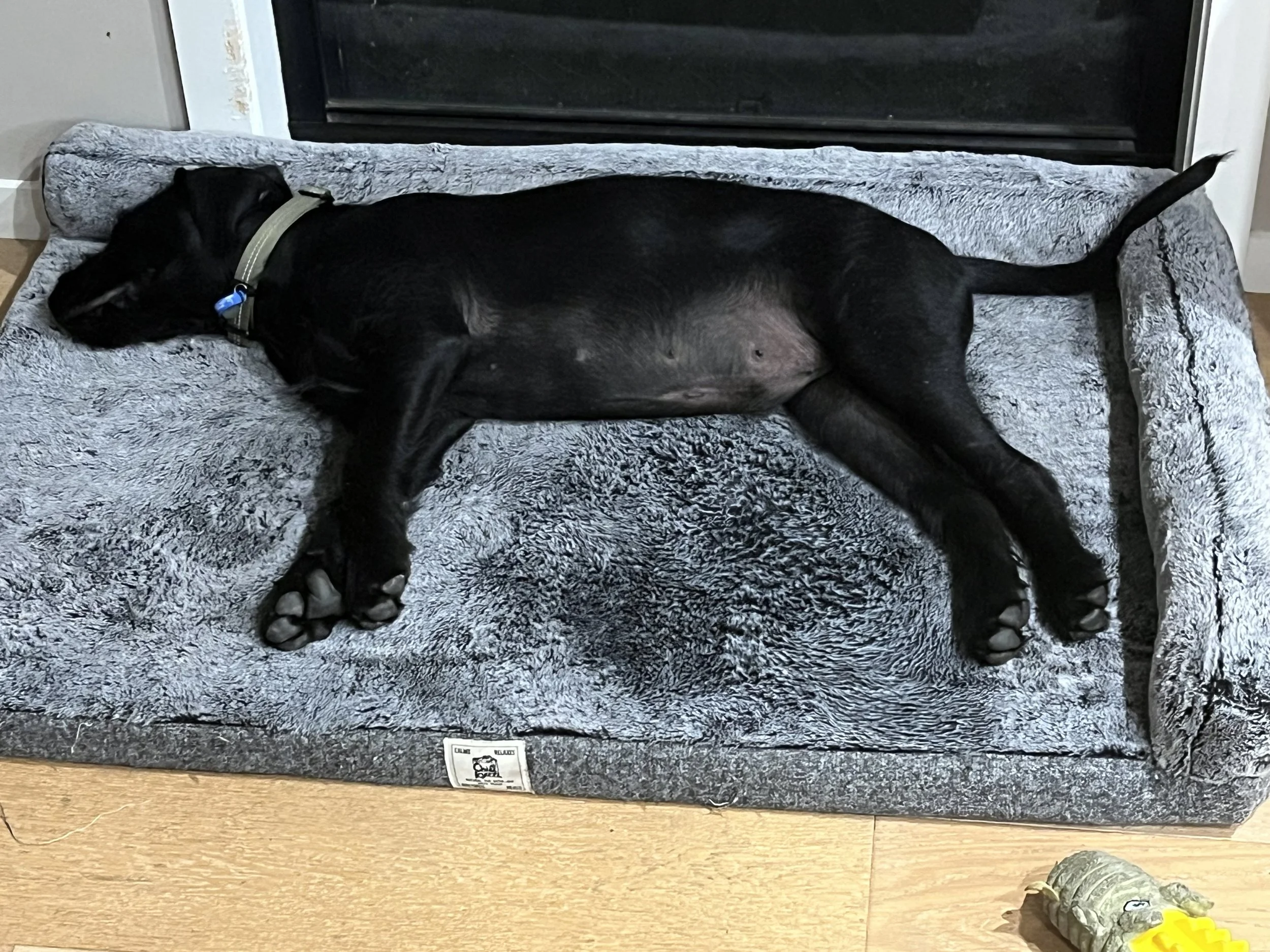
Over the weekend I paid the ADHD tax twice. I ordered a dog bed for our puppy Theo; and then forgot I'd ordered it and ordered a second one. My other ADHD tax moment from the same weekend? I've genuinely forgotten what it was. Which is, if you know, very on brand.
If you don't know what the ADHD tax is, let's talk about it.
What the ADHD Tax Actually Is
It's not a literal tax. The ADHD tax is the extra money, time, and energy we end up spending because of how ADHD brains work - specifically, because of how working memory and impulse control function differently.
It shows up as the late fees on bills we genuinely forgot existed. The duplicate purchases (hello, multiple dog beds!) The subscriptions we signed up for and never got around to cancelling. The half-finished projects we bought all the gear for. The hobby that got us excited, fully equipped, and then quietly abandoned.
And it's not just money. There's a time cost too - the searching for things we know we own somewhere, the restarting a task only to realise we'd already started it, the recovering afterwards from the frustration spiral that follows.
It's Not Carelessness - It's Working Memory
This is an important distinction; it’s not about being lazy or not caring enough. Plenty of ADHD tax moments happen despite real effort. You can spend ages researching the perfect product, make a thoughtful purchase … and then simply forget you bought it, because once something is out of sight, it can genuinely stop existing in your working memory.
Add impulse control into the mix, and you get purchases made because something felt urgent in the moment, even when it wasn't.
This is neurological. It's not this terrible thing about you, and it is not a sign you're not trying hard enough.
How It Shows Up
A few familiar examples:
Buying something you already own because you can't find the one somewhere in the house (three spirit levels and counting)
Late payment fees because something slipped out of memory
Missing an early-payment discount because the bill got forgotten
Buying something impulsively because it felt urgent at the time
Starting a project and still having all the supplies for it, untouched
The Shame Spiral That Often Follows
This part can often cost more than the tax itself; the shame spiral afterwards. How have I done this again? That self-judgment (depending on the size of the mistake) can be heavier and more draining than the actual financial or time cost.
Once you notice this pattern, name it, and recognise it as neurological rather than a personal failing, it becomes something you can actually work with; rather than something that just adds to a pile of self-criticism.
A Small Win Worth Mentioning
It's not all duplicate dog beds and forgotten subscriptions. Sometimes a system actually works.
I recently signed up for a streaming subscription purely to watch one specific show (The Other Bennet Sister, in case you’re interested - and it was well worth the subscription!) As soon as I signed up, I set a reminder in my calendar to cancel it and … I actually went back and did it! Watched what I wanted, cancelled on time. A genuine win, especially compared to a similar situation last year where two subscriptions to the same type of content ran for months longer than intended.
The point isn't perfection. It's that when we build a system (even a small one, like a single calendar reminder) it can genuinely work for ADHD brains.
Where to Start?
You don't need to overhaul everything at once. Pick one thing.
That might be setting reminder dates for bills so they don't quietly disappear. It might be designating one place where a particular tool or item always lives, so you stop buying duplicates. It might be a calendar reminder the moment you sign up for something, so cancelling isn't left to memory alone.
The goal isn't eliminating the ADHD tax completely; that's not realistic, and aiming for it just sets up another way to feel like you've failed. The goal is gradually reducing the cost, the worry, and the stress that comes with it.
FAQ
Is the ADHD tax a real financial concept? Not in the literal, official sense; there's no actual tax being applied. It's a term used to describe the cumulative extra cost (financial, time, and emotional) that ADHD traits like forgetfulness, impulsivity, and time blindness can create.
Why do I keep buying things I already own? This usually comes down to working memory and object permanence challenges common in ADHD; if something is out of sight, it can genuinely feel like it doesn't exist anymore, even though you know logically that you own it.
How do I stop paying the ADHD tax? You likely won't stop entirely, and that's okay. The more realistic goal is building small systems (reminders, single storage spots for frequently-lost items, calendar alerts for subscriptions) that reduce how often it happens.
Why do I feel so much shame about this? Because the mistakes feel like evidence of a bigger problem, rather than what they actually are: a known, common pattern in ADHD brains. Naming it as neurological rather than personal failure tends to reduce the shame considerably.
If the ADHD tax, or the shame that often comes with it, is something you'd like support with, this is exactly the kind of thing I work through with clients. I'm a registered counsellor based in Brisbane and also work online. Feel free to reach out at caracounselling.com.au